Pad Thai

Pad Thai is one of those dishes that captures your heart with its bright flavors and delightful textures. The perfect combination of chewy noodles, crisp veggies, and that unmistakable tangy-sweet sauce makes it a dish everyone can enjoy. It’s a bustling, irresistible medley that transports you straight to the streets of Bangkok! Whether you’re craving a hearty weeknight meal or hosting a gathering, this Easy Pad Thai Recipe is here to satisfy.
Table of Contents
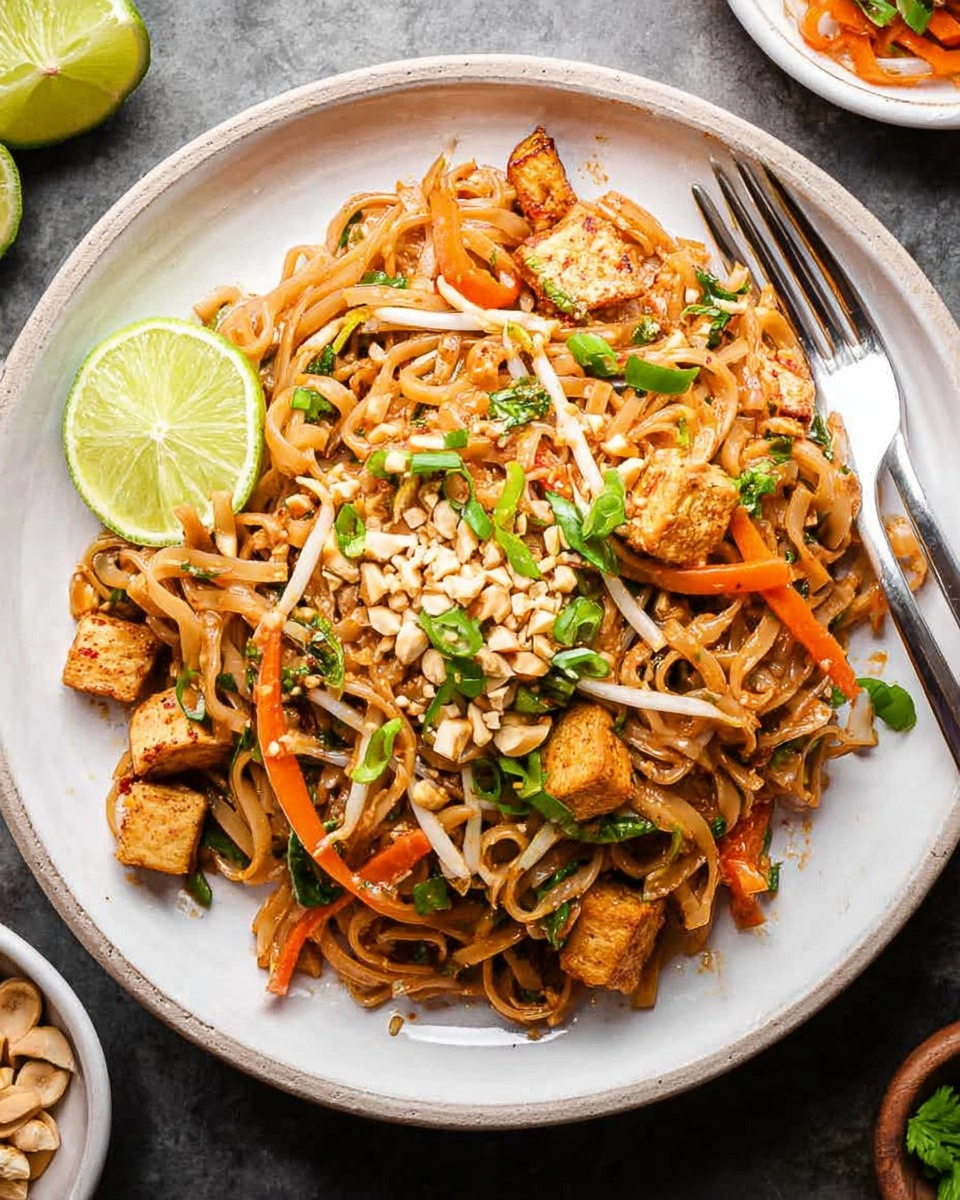
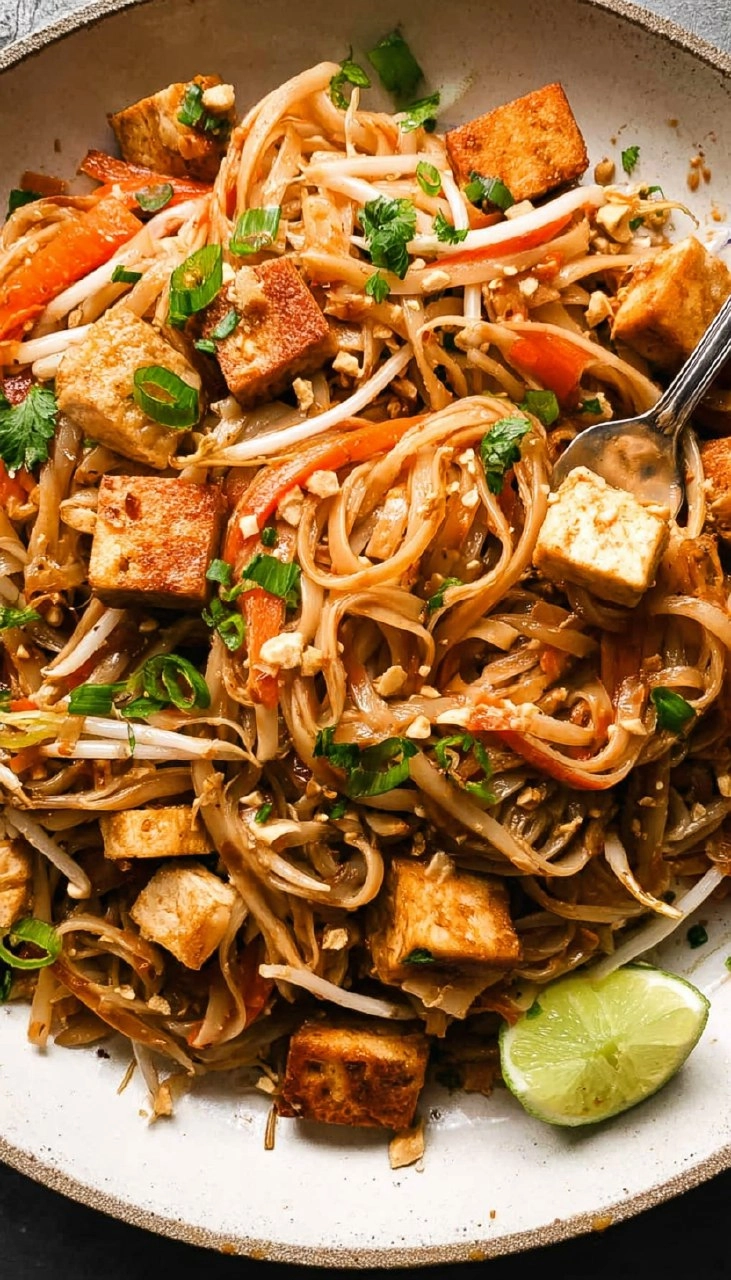
When I first tried making Pad Thai at home, I was nervous, thinking I’d end up with a soggy mess. But you know what? It turned out absolutely delicious and was far more satisfying than any takeout I’d ever ordered. The key is in balancing your flavors and textures, and trust me, once you nail this recipe, you’ll be back for seconds—and maybe thirds! Get ready to impress your loved ones with a bowl of Pad Thai that’s as good as what you’d find in a restaurant.
Why You’ll Love This Recipe
- Simple & Quick: This dish comes together in about 30 minutes, perfect for a busy weeknight or when friends drop by unexpectedly.
- Irresistible Flavor: A medley of savory, sweet, and tangy flavors make each bite unforgettable.
- Eye-Catching Appeal: The vibrant colors of veggies and toppings make this dish a feast for the eyes!
- Flexible Serving: Great for dinner parties, casual lunches, or cozy family dinner nights.
- Diet-Friendly Options: Easily adapt this to be vegan or gluten-free by substitution.
Ingredients You’ll Need
- 2 tablespoons soy sauce: This adds a deep umami flavor; you can use low-sodium if desired.
- 3 tablespoons water (or fish sauce): Fish sauce can bring more complexity if you’re a fan, but water works just fine for a milder version.
- 5 tablespoons light brown sugar: This gives the dish its characteristic sweetness; feel free to swap it with coconut sugar.
- 2 tablespoons tamarind paste (or lime juice): Tamarind adds tangy notes, but lime juice gives a fresher taste; choose based on preference.
- 1 tablespoon lime juice: Enhances the overall flavor and brightness of your dish.
- 1 tablespoon chili sauce: Offers a touch of heat; select your favorite type or adjust to taste.
- 3 tablespoons peanut butter: Creamy peanut butter contributes to a rich, savory depth; consider using almond butter for a nutty twist.
- 8 ounces udon noodles (or Pad Thai noodles): Udon works perfectly here, but authentic Pad Thai noodles can be found in many grocery stores.
- 14 ounces extra firm tofu (cut into ½” cubes): A fantastic protein source that absorbs flavors beautifully. You can also use shrimp or chicken instead.
- 4 tablespoons peanut oil (divided): This oil is preferred for its high smoke point; you can substitute with vegetable oil if needed.
- ½ teaspoon garlic powder: Adds a mild garlic flavor that merges well with the other ingredients.
- ¼ teaspoon fine sea salt: Just a dash to enhance overall flavor; adjust it according to taste.
- ¼ teaspoon ground ginger: A pinch of ground ginger gives it that necessary zing; fresh ginger works as well.
- 1 tablespoon minced garlic: Fresh garlic elevates the dish with its aromatic charm.
- 1 cup carrots (julienned): Adds crunch and sweetness; feel free to add bell peppers or zucchini for variety.
- ¼ cup green onions (finely sliced): For garnish and a bit of extra flavor; they add a fresh touch.
- 2 eggs: Scrambled eggs contribute protein and richness to the dish.
- 1 ½ cups bean sprouts (4.5 ounces): These add freshness and crunch; you can also consider sprouts like alfalfa for a variation.
- ¼ cup peanuts (crushed): A classic topping for added crunch and flavor; use cashews for a different taste.
- ¼ cup cilantro (chopped): Fresh herbs that tie everything together, though omit if you’re not a fan.
How to Make Pad Thai Recipe
- Cook the Noodles: Bring a large pot of water to a rolling boil. Add 8 ounces of udon noodles and cook according to package directions. Once cooked, drain the noodles, but do not rinse. This helps keep the sauce sticking to them later!
- Prepare the Sauce: In a small bowl, whisk together 2 tablespoons soy sauce, 3 tablespoons water (or fish sauce), 5 tablespoons light brown sugar, 2 tablespoons tamarind paste (or lime juice), 1 tablespoon lime juice, 1 tablespoon chili sauce, and 3 tablespoons peanut butter until smooth. If the mixture is too thick, gently warm it until easily combined and set aside.
- Cook the Tofu: Heat 2 tablespoons of peanut oil in a wok or large frying pan over high heat. Add the cubed tofu and cook, stirring often, until it starts to brown—about 5 minutes.
- Season the Tofu: Evenly sprinkle the garlic powder, ¼ teaspoon fine sea salt, and ¼ teaspoon ground ginger over the tofu. Stir well for even distribution. Cook until the tofu is golden brown and crispy.
- Add Veggies: Add 1 cup of julienned carrots, ¼ cup sliced green onions, 1 tablespoon minced garlic, and 1 tablespoon peanut oil to the pan. Stir and cook over medium-high heat until the carrots soften, usually 3-4 minutes.
- Scramble the Eggs: Turn the heat to low, moving the mixture to one side of the pan. In the vacant space, add 1 tablespoon of peanut oil and crack in 2 eggs. Scramble until just set, mixing into the other ingredients later.
- Combine Everything: Add the cooked noodles, 1 ½ cups of bean sprouts, crushed peanuts, chopped cilantro, and the prepared sauce to the pan. Stir everything to combine thoroughly and let it cook for about 5 minutes on medium-high heat, stirring frequently, until everything is coated evenly and begins to stick lightly.
- Serve: Transfer the Pad Thai to plates or bowls, garnishing with extra crushed peanuts, chopped cilantro, and sliced green onions if desired. Dig in and enjoy every bite!
Storing & Reheating
If you find yourself with leftovers, you can store your Pad Thai at room temperature for 1-2 hours. For longer storage, it’s best to refrigerate in an airtight container for up to 3 days. If you wish to freeze it, store in freezer-safe containers for up to 3 months. Reheat in the microwave for about 2 minutes, stirring halfway through, until hot. Note that the texture might change slightly after freezing, but a splash of lime juice can refresh the flavors beautifully.
Chef’s Helpful Tips
- Make sure your tofu is extra firm to prevent it from crumbling during cooking.
- Use room temperature eggs so they scramble evenly; cold eggs can clump.
- The key to a flavorful sauce is balancing sweetness, saltiness, and acidity; taste as you mix!
- Be careful not to overcook the veggies; you want them to retain some crunch for texture.
- If you don’t have tamarind paste, lime juice or a combination of vinegar and sugar can work well as substitutes.
Don’t hesitate to experiment with your Pad Thai. Swap in different proteins or veggies based on what you love or what’s in your fridge. You might even try new garnishes like shredded cabbage or toasted sesame seeds for some fun crunch.
Recipe FAQs
Can I make Pad Thai gluten-free?
Yes! To keep this dish gluten-free, simply swap out the soy sauce for a gluten-free soy sauce or tamari, and ensure your noodles are also gluten-free.
What kind of noodles should I use?
While traditional Pad Thai uses rice noodles, udon noodles work well and provide a lovely chewiness. If you want an authentic taste, look for Pad Thai noodles at your local Asian grocery store.
How spicy is this recipe?
The spice level can easily be adjusted by varying the amount of chili sauce or omitting it altogether if you prefer a milder dish. Add fresh sliced chilies as a garnish for those who love heat!
Can I prepare Pad Thai in advance?
Though it is best enjoyed fresh, if you want to prepare it ahead, you can prepare the sauce and chop your veggies a day in advance. Just cook everything fresh when you’re ready to eat for the best taste and texture!
PrintMore Main Dishes Recipes
Did You Enjoy Making This Recipe? Please rate this recipe with ⭐⭐⭐⭐⭐ or leave a comment.
📖 Recipe Card
Pad Thai
- Prep Time: 20 minutes
- Cook Time: 20 minutes
- Total Time: 40 minutes
- Yield: 8 servings 1x
- Category: Main Dishes
- Method: Stir Fry
- Cuisine: Thai
Description
This Pad Thai recipe features irresistible flavors with a simple preparation. Using fresh ingredients like tofu, udon noodles, and a delicious homemade sauce, it’s perfect for a quick dinner that’s packed with taste. Perfect for anyone looking for easy and flavorful homemade meals.
Ingredients
- 2 tablespoons soy sauce
- 3 tablespoons water
- 5 tablespoons light brown sugar
- 2 tablespoons tamarind paste
- 1 tablespoon lime juice
- 1 tablespoon chili sauce
- 3 tablespoons peanut butter
- 8 ounces udon noodles
- 14 ounces extra firm tofu
- 4 tablespoons peanut oil
- ½ teaspoon garlic powder
- ¼ teaspoon fine sea salt
- ¼ teaspoon ground ginger
- 1 tablespoon minced garlic
- 1 cup carrots
- ¼ cup green onions
- 2 eggs
- 1 ½ cups bean sprouts
- ¼ cup peanuts
- ¼ cup cilantro
Instructions
- Bring a large pot of water to a boil. Add noodles and cook according to package directions.
- Drain the noodles but do not rinse them.
Notes
For a vegetarian option, use fish sauce alternatives like soy sauce.
Feel free to add more vegetables like bell peppers or snow peas for extra crunch.
Ensure the tofu is extra firm for the best texture when cooked.
Nutrition
- Serving Size: 1 serving
- Calories: 350
- Sugar: 10g
- Sodium: 500mg
- Fat: 16g
- Saturated Fat: 3g
- Unsaturated Fat: 7g
- Trans Fat: 0g
- Carbohydrates: 40g
- Fiber: 5g
- Protein: 12g
- Cholesterol: 70mg