Shrimp Pad Thai

Shrimp Pad Thai is a delightful twist on the classic Thai noodle dish that combines succulent shrimp with chewy rice noodles, crispy vegetables, and a sweet, tangy sauce. Each slurp delivers layers of flavor, thanks to the balance of salty, sweet, and a hint of spice. The dish is loaded with fresh ingredients, making it feel light yet satisfying. It’s perfect for those days when you crave something a bit more exotic but don’t want to spend hours in the kitchen.
Table of Contents
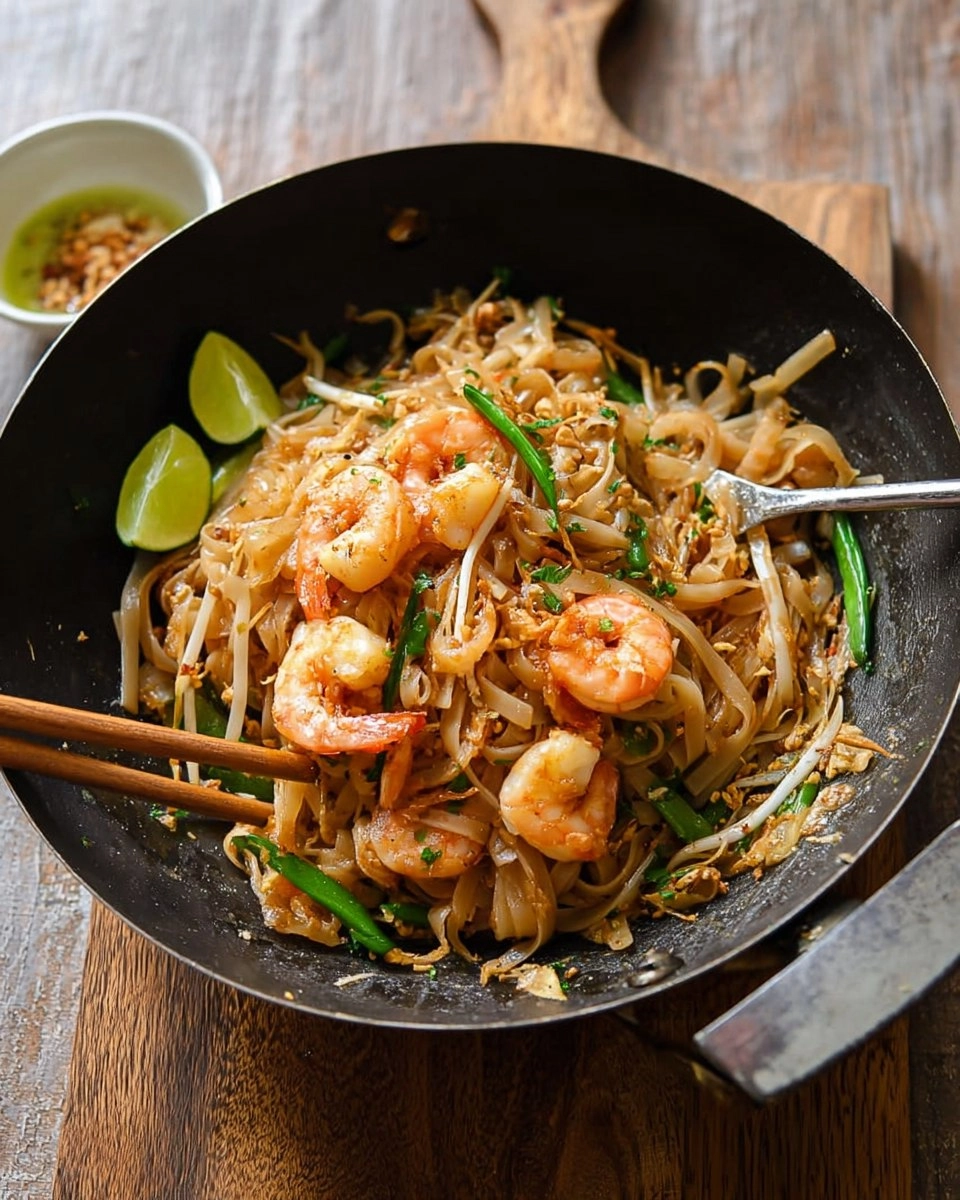
I remember the first time I tried making Shrimp Pad Thai at home. I was hesitant, thinking it would be too complicated. But to my surprise, the process was straightforward and incredibly rewarding. The enticing aroma of stir-frying shrimp and vegetables filled my kitchen, instantly transporting me to my favorite Thai restaurant. This homemade version tastes just as good, if not better, than what you’d find dining out—and it comes together in no time!
Why You’ll Love This Recipe
- Simple & Quick: You can whip it up in about 30 minutes, making it a perfect weeknight dinner option.
- Irresistible Flavor: The blend of savory and sweet with a hint of sour creates a symphony of taste that’s hard to beat.
- Eye-Catching Appeal: With colorful veggies and vibrant toppings, it’s as impressive to look at as it is to eat.
- Flexible Serving: Great for family dinners, casual get-togethers, or a cozy night in.
- Diet-Friendly Options: Easily adaptable for gluten-free folks by using tamari or rice noodles.
Ingredients You’ll Need
8 oz rice noodles: These chewy noodles are the star of the dish. Be sure to select flat rice noodles for that authentic Pad Thai texture.
1 lb shrimp, peeled and deveined: Fresh shrimp adds a tender bite. If using frozen, ensure they’re fully thawed before cooking.
2 tbsp vegetable oil: A neutral oil perfect for high-heat cooking, helping to crisp up the shrimp and veggies without overpowering their flavor.
2 eggs: Eggs add richness and structure. Make sure they’re at room temperature for better scrambling.
1 cup bean sprouts: These add crunch and freshness. Feel free to substitute with shredded carrots for extra color and nutrients.
½ cup green onions, chopped: A must for freshness! Both the white and green parts add a mild onion flavor.
¼ cup crushed peanuts: For that delightful crunch and nutty flavor—best if freshly crushed.
¼ cup tamarind paste: This unique ingredient brings a tangy sweetness. If you can’t find it, a mix of lime juice and brown sugar can work as a substitute.
2 tbsp fish sauce: Essential for the umami element. For a vegetarian version, use soy sauce instead.
1 tbsp sugar: Balances the flavors beautifully; palm sugar is traditional, but brown sugar is a convenient alternative.
Lime wedges, for serving: A squeeze of lime adds brightness and enhances each bite!
How to Make Shrimp Pad Thai
Prepare the Noodles: Soak 8 oz of rice noodles in warm water for about 20-30 minutes until tender, then drain.
Cook the Shrimp: Heat 2 tbsp of vegetable oil in a large skillet or wok over medium-high heat. Add 1 lb of shrimp and stir-fry for 3-4 minutes until pink and opaque. Remove from the skillet and set aside.
Scramble the Eggs: In the same skillet, add a bit more oil if needed. Crack 2 eggs into the pan and scramble until just set.
Combine Ingredients: Add the drained rice noodles, ¼ cup tamarind paste, 2 tbsp fish sauce, and 1 tbsp sugar to the skillet. Stir everything together gently, ensuring the noodles are coated.
Add Vegetables: Toss in 1 cup of bean sprouts and ½ cup of chopped green onions. Stir-fry for another 2-3 minutes, keeping the noodles moving.
Return Shrimp to the Pan: Add the cooked shrimp back in and mix everything until well combined and heated through.
Serve and Garnish: Plate the Pad Thai and top it with ¼ cup of crushed peanuts and lime wedges. Enjoy your delightful homemade Shrimp Pad Thai!
Storing & Reheating
Store any leftovers in an airtight container in the refrigerator for up to 3 days. For longer storage, you can freeze it for up to 3 months, though the texture may change slightly. When reheating, microwave it for a minute or two, stirring halfway through. If it seems dry, a splash of water or a quick drizzle of oil will help revive the dish to ensure it stays enjoyable.
Chef’s Helpful Tips
- Avoid overcooking the shrimp; they should be just opaque and firm.
- Make sure your noodles are not too wet before adding everything to the skillet; this keeps your dish from becoming soggy.
- For an extra flavor boost, add a teaspoon of sriracha or chili flakes.
- Adding the peanuts right before serving keeps them crunchy.
- You can prepare the sauce ahead of time for an even quicker dinner.
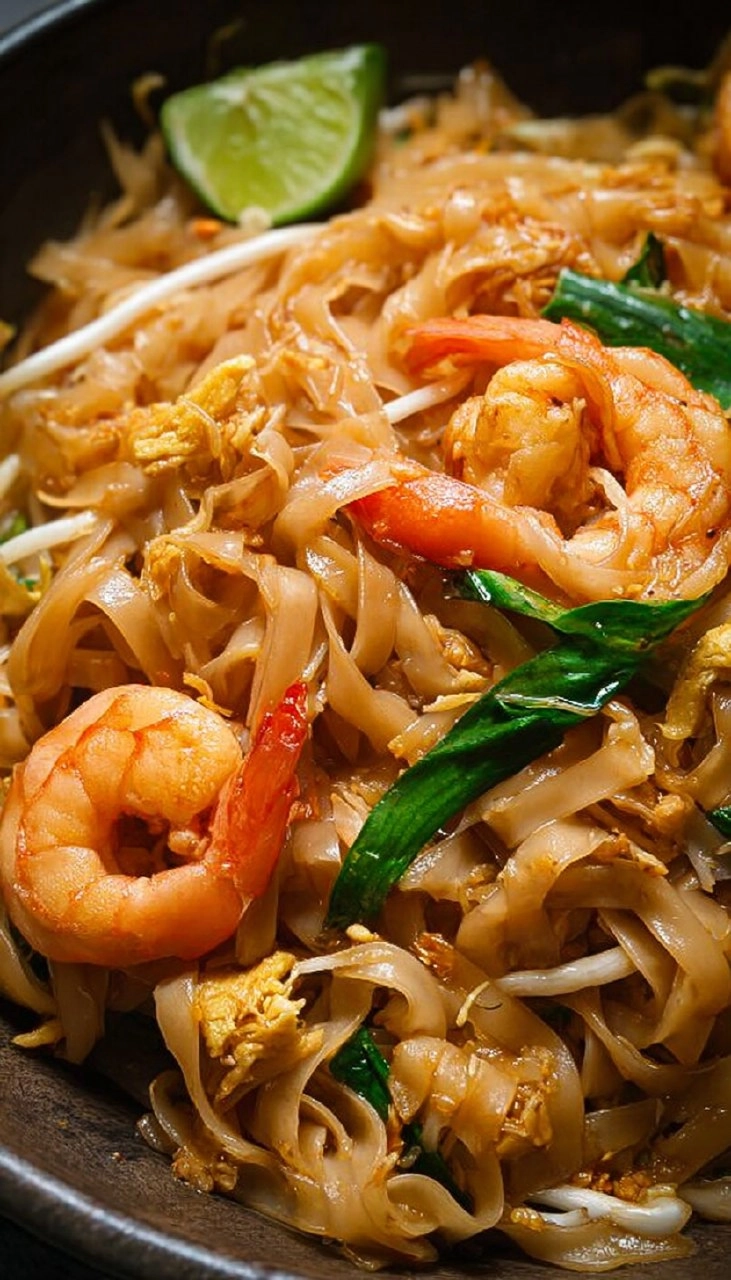
Shrimp Pad Thai serves up a symphony of sweet, salty, and savory flavors while being delightfully easy to prepare. The magic lies in the harmony of textures and tastes, making each bite an adventure. I encourage you to get creative; perhaps throw in some veggies you have on hand or adjust the spice level to your preference. You might just find a new favorite dish! Enjoy cooking and savor every delicious bite!
Recipe FAQs
Can I use chicken instead of shrimp?
Absolutely! Chicken is a great alternative. Just make sure to cook it until it’s fully done, similar to the shrimp. Use about 1 lb of diced chicken breast, following the same cooking instructions.
How do I make Shrimp Pad Thai gluten-free?
To adapt this recipe for gluten-free diets, simply swap the regular soy sauce and fish sauce for their gluten-free alternatives such as tamari. Also, ensure your rice noodles are labeled gluten-free for peace of mind.
What type of rice noodles should I use?
Flat rice noodles are traditional for Pad Thai, often labeled as “Pad Thai noodles.” Check the cooking instructions on the package, as soaking times can vary.
Can I make this vegetarian?
Definitely! Omit the shrimp and fish sauce, swapping them for tofu or your favorite mix of vegetables. Use soy sauce instead of fish sauce to maintain that umami flavor.
PrintMore Main Dishes Recipes
Did You Enjoy Making This Recipe? Please rate this recipe with ⭐⭐⭐⭐⭐ or leave a comment.
📖 Recipe Card
Shrimp Pad Thai
- Prep Time: NaN minutes
- Cook Time: NO DATA
- Total Time: 0 hours
- Yield: 4 servings
- Category: Main Dishes
- Method: Stir-fry
- Cuisine: Thai
Description
Shrimp Pad Thai is a quick and tasty dish that features tender shrimp, chewy rice noodles, and a zesty sauce. This delightful meal is perfect for busy weeknights or when you’re craving comfort food that’s homemade and full of flavor.
Ingredients
- rice noodles
- tamarind purée
- fish sauce
- light brown sugar
- vegetable oil
- shrimp
- shallot
- minced garlic
- chilli flakes
- eggs
- bean sprouts
- green onions
- peanuts
- lime wedges
Instructions
- Soak the rice noodles in hot water for 30-40 minutes until mostly softened. Mix the tamarind purée, fish sauce, and light brown sugar; set aside for the sugar to dissolve.
- Heat 1 tbsp of vegetable oil in a large wok. Add the shrimp and cook until pink on each side; remove and set aside.
- In the same wok, add another tbsp of oil, then stir-fry chopped shallot, minced garlic, and chili flakes for a minute. Add the drained noodles with some clingy water and the sauce; cook stirring for 1-2 minutes until noodles are soft yet chewy.
- Push the noodles aside in the wok and crack 2 eggs into the free space. Cook for 30 seconds, then pile the noodles on top and cook for a few more seconds until eggs are set; toss lightly to combine.
- Add bean sprouts, green onions, cooked shrimp, and half of the peanuts; toss until onions are wilted but beansprouts remain crunchy. Serve with lime wedges and the remaining peanuts.
Notes
Ensure the rice noodles are not over-soaked to maintain the right texture.
Feel free to adjust the spice level by adding more or less chili flakes.
Nutrition
- Serving Size: 1 serving
- Calories: 450
- Sugar: 6g
- Sodium: 800mg
- Fat: 15g
- Saturated Fat: 3g
- Unsaturated Fat: 12g
- Trans Fat: 0g
- Carbohydrates: 65g
- Fiber: 3g
- Protein: 18g
- Cholesterol: 135mg